
Cat care

Practical strategies for enriching indoor cat environments: vertical territory, predatory play cycles, puzzle feeders, and sensory stimulation.
 Eva MitroiCatsOnly Writer
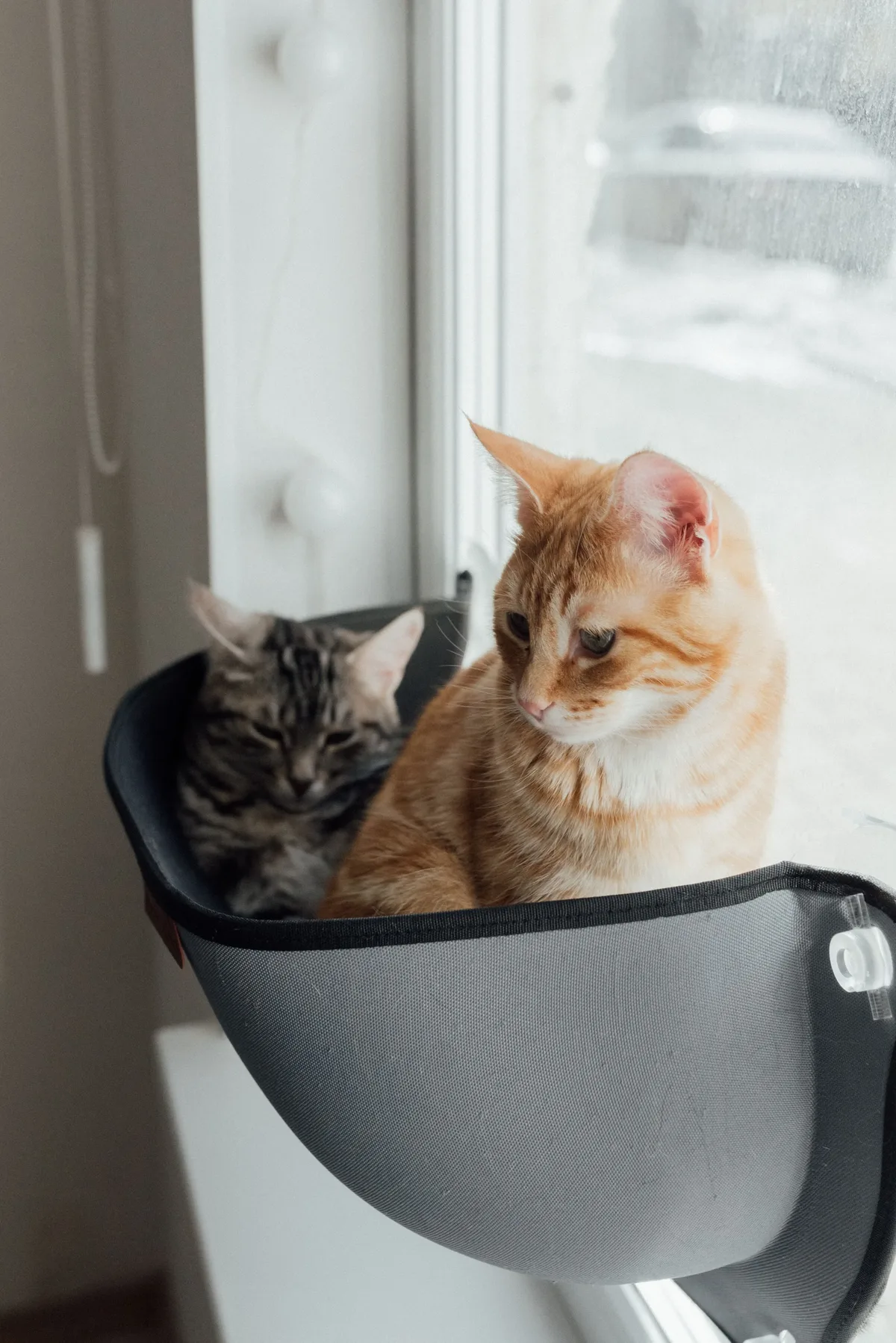
Indoor cats need chances to climb, scratch, explore and play. A few thoughtful changes can make everyday life more interesting without filling your home with toys.
Start with your cat's preferences and mobility. Introduce one change at a time, keep familiar resting places available, and let them choose whether to investigate.
A sturdy cat tree, a clear furniture top or a secure window perch provides a place to watch the room. Add non-slip surfaces and make sure furniture and shelves cannot tip or come loose when jumped on.
In a multi-cat home, provide several resting places and routes away from busy areas. Avoid setups where one cat can block another on a high perch. Older cats may prefer low steps or ramps to big jumps.
A cardboard box with a blanket can be just as welcome as a new bed. Put quiet hiding places where your cat can rest without being disturbed by visitors, children or other pets.
Move a wand toy away from your cat, pausing behind furniture or a box. Give them time to watch and stalk, then let them catch the toy regularly. End with a final catch and their normal meal or an appropriate small treat.
Short sessions are easier to fit into the day. Try a few minutes before meals, adjusting to your cat's age and interest. Stop before they become exhausted, and put string or feather toys away afterwards so they cannot be swallowed unsupervised.
If you use a laser pointer, choose a low-power Class 1 cat toy from a reputable supplier. Never point it at eyes or reflective surfaces, and avoid unlabelled or high-powered products. Finish by moving the dot onto a physical toy your cat can catch; a wand toy is an easy alternative.
Heavy breathing or panting is a reason to stop, not a play target. Let the cat rest and seek veterinary advice if breathing remains abnormal. Open-mouth breathing at rest needs urgent veterinary attention.
Puzzle feeders encourage exploring and pawing for food. Start with something easy, using part of the normal daily allowance rather than adding extra calories.
| Try this | Keep it simple |
|---|---|
| A clean cardboard egg carton | Put a little dry food in the open cups |
| A rolling feeder | Start with large openings so food falls out easily |
| A shallow puzzle board | Let your cat see and reach the food at first |
| A lick mat | Use suitable wet food and wash it after use |
Supervise new puzzles and remove anything your cat chews apart. Keep ordinary food available while they learn, and adapt the setup if they struggle. For cats on a prescribed diet, check treats and feeding changes with the vet.
Provide a stable scratching post tall enough for a comfortable stretch. Some cats prefer a horizontal cardboard scratcher, so try both. Place scratchers near resting areas or places they already choose to scratch.
A safe perch beside a closed window offers a changing view. If outdoor cats or birds make your cat tense rather than interested, move the perch or provide a quieter outlook. Keep windows and balcony doors secure.
Rotate a few toys instead of offering everything at once. A catnip toy may interest some cats, but there is no need to keep introducing new scents or products if your cat prefers familiar favourites. In CatsOnly's Owner setup, use each cat's Routine and notes to explain favourite toys and what needs supervision.
Aim for regular play, comfortable rest and a little variety each day. If your cat starts hiding more, over-grooming, eating differently or avoiding the litter tray, speak to your vet rather than assuming boredom is the cause.
When you travel, show your sitter the favourite toys and puzzles, including what needs supervision. A CatsOnly sitter can help maintain the routine your cat already enjoys.